
By Hridgandha G. Mistry
Advertising Photographer and Image Maker
Dean and Director, Shari Academy of Professional Photography
Instagram: @thewayhridsees @shari_academy
Long before a photograph appears through the viewfinder, it begins as a sensation. It starts with a quiet awareness that something in front of you is beginning to align. Feeling a frame before seeing it is one of the most powerful skills a photographer can develop. Many people believe this comes purely from instinct, but in reality, it grows through observation, experience, and strong photographic education.
When I enter a space, I do not immediately lift my camera. I pause. I absorb the atmosphere. I observe how light falls on surfaces, how geometry creates balance, and how stillness exists even within busy environments. Photography begins with presence, not with pressing the shutter.
Seeing Before Shooting
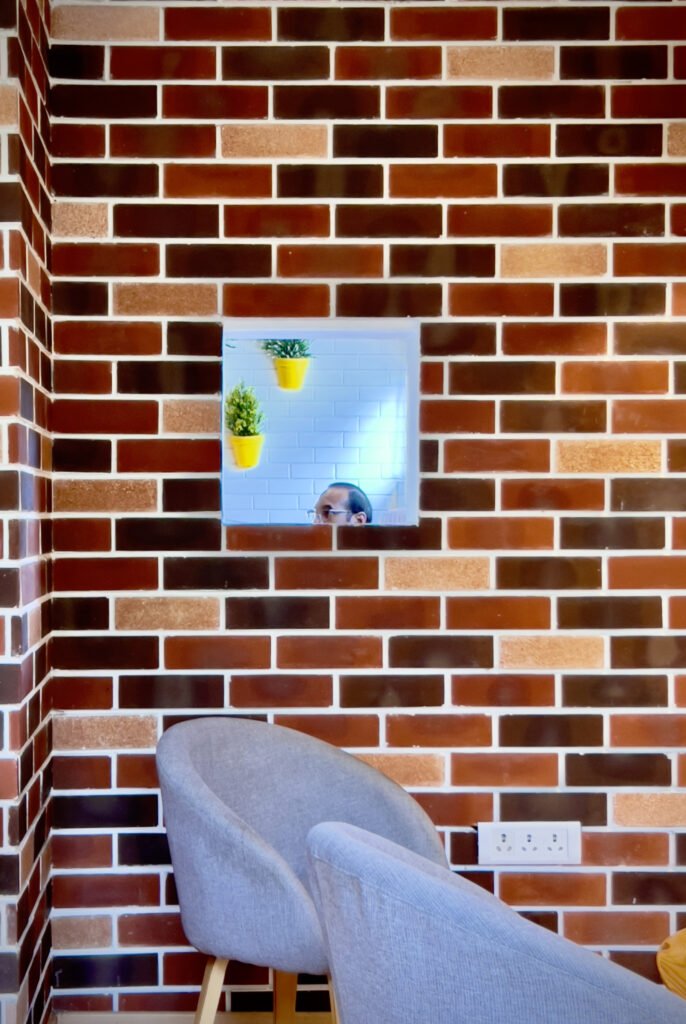
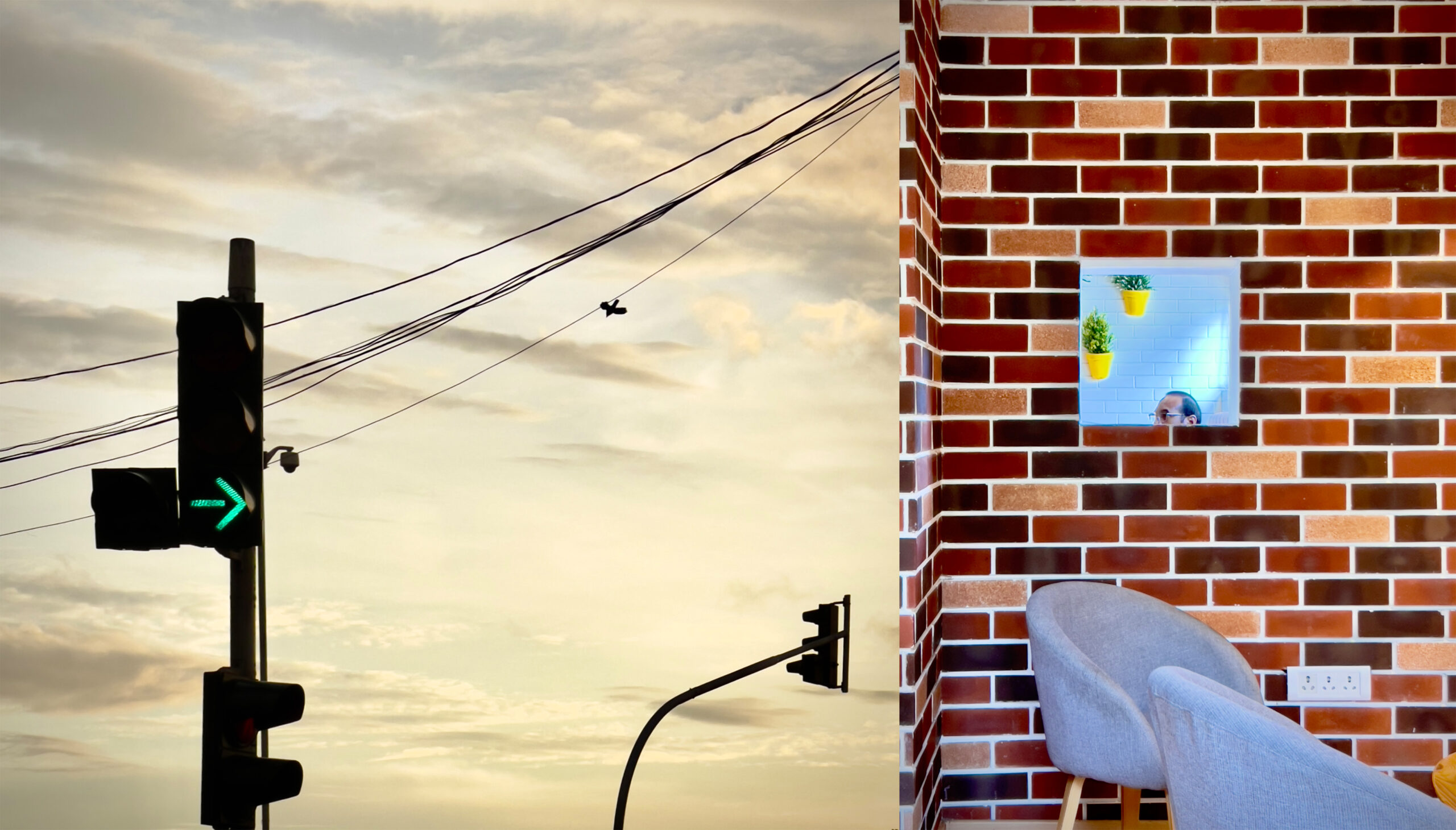
One photograph that reflects this philosophy is a simple brick wall with a small window opening. At first glance, it may appear to be just an architectural detail. But within that small frame, a quiet visual story begins to unfold. A partial human presence, soft colours, and suspended plants create depth, emotion, and meaning.
The photograph is not only about the visible subject. It is about understanding the balance between enclosure and openness, structure and softness, stillness and life. This is where photographic education becomes important. It teaches photographers how to observe the relationship between form, space, light, and emotion.
Many photography students assume that composition is purely technical. They look for rules, symmetry, leading lines, and perfect alignment. While these composition techniques are important, strong photography education goes beyond formulas. It trains photographers to recognise when a frame feels balanced, complete, and emotionally connected.
Direction Is Also a Feeling
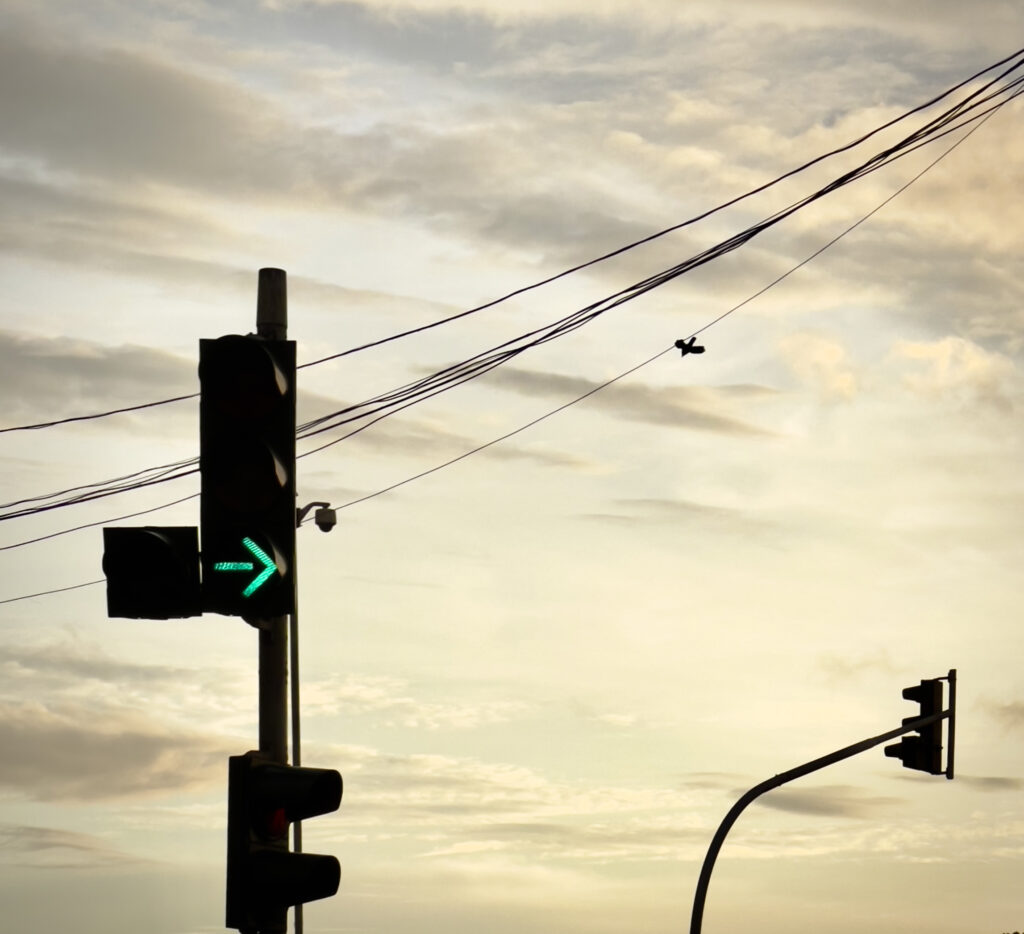
In an image of a traffic signal against the sky, direction is suggested through a simple green arrow and suspended lines. The frame is minimal, yet it carries a sense of pause and movement at the same time. These decisions come from awareness rather than calculation. Learning to read space and direction is part of photographic education. It teaches photographers that even the simplest visual cue can hold emotional weight.
The Threshold Between Closed and Open

One frame that stayed with me was a weathered wooden doorway where several locks hung loosely from a latch. The door itself was not truly locked. It only appeared closed. The hanging locks created a psychological barrier, yet the latch hinted at the possibility of opening and seeing beyond. The textures of the wood carried time within them. Scratches and fading colour spoke quietly about everything that had passed through that space.
Standing there, the frame became less about restriction and more about curiosity. Photography education encourages students to look deeper into ordinary details and recognise emotional contradictions within everyday scenes. A door may appear closed, yet awareness reveals the openness hidden within it.
Learning to Read Light
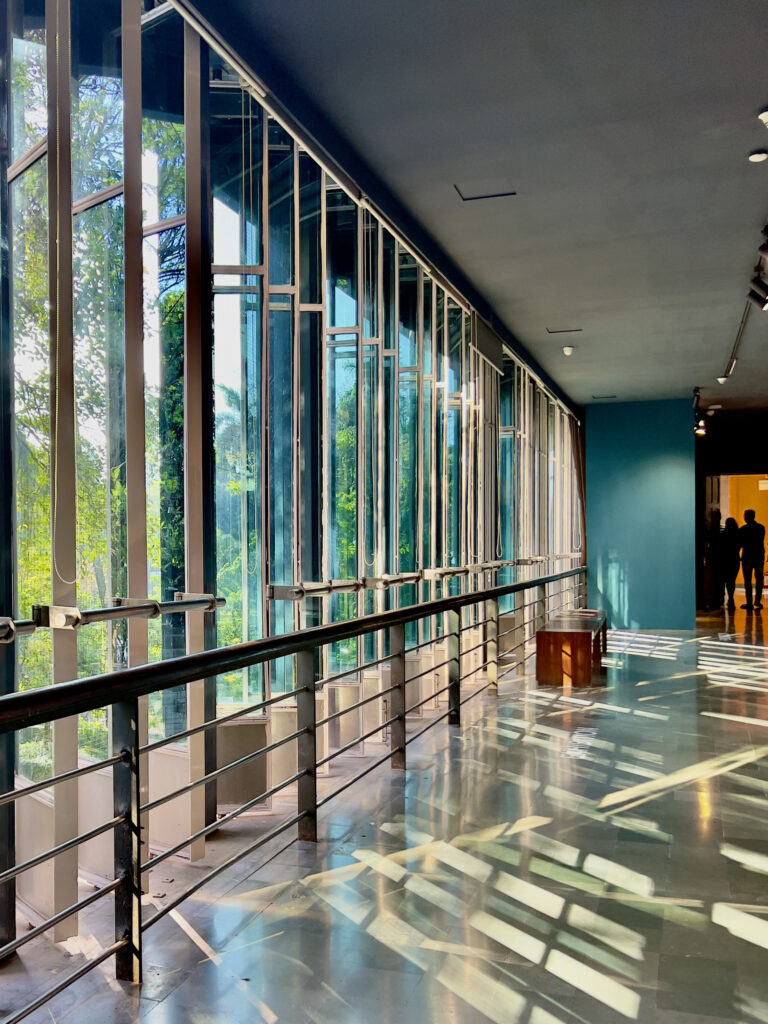
Feeling a frame is not guesswork. It is awareness sharpened through learning. In another quiet moment, soft light filters through a corridor, forming patterns across the floor. Many people walk through such spaces without noticing their rhythm. But when photographers learn to observe light patiently, they begin to anticipate how time shapes the frame. Structured education helps develop this sensitivity, allowing photographers to respond intuitively to changing environments.
I often tell my students that the camera is not the starting point. The body is. Photography begins with presence in the moment. Education plays an essential role because it teaches photographers how to refine their perception.
Quiet Light and Inner Stillness
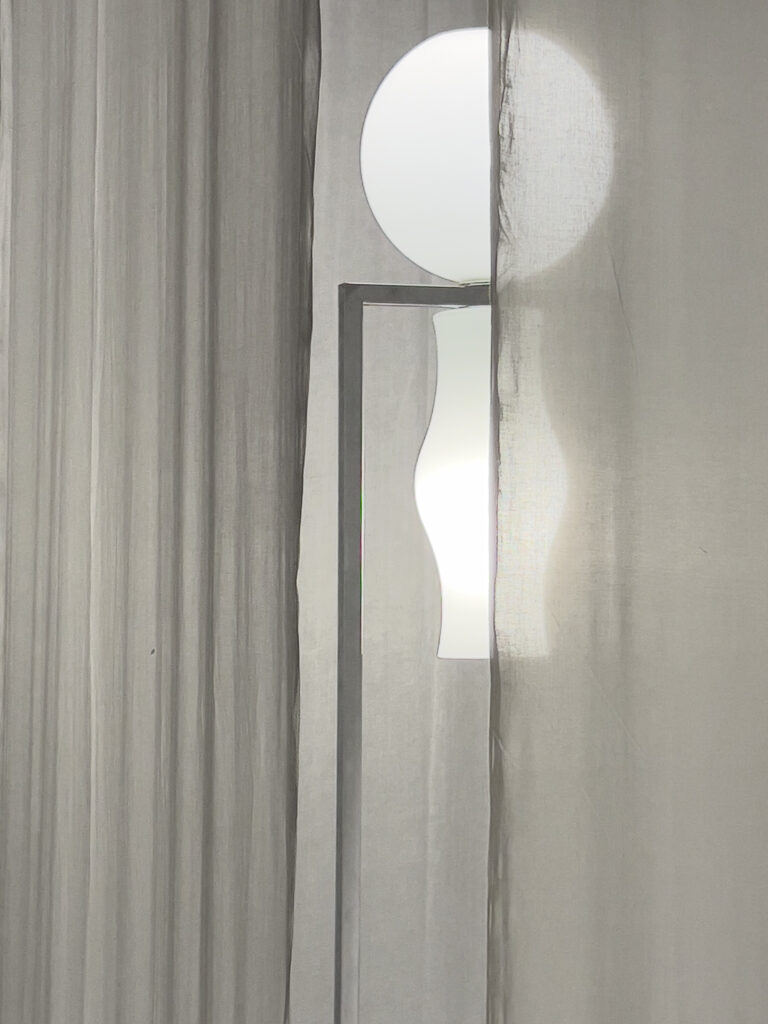
Even the soft glow of a lamp behind curtains can become a frame when approached with patience. The light does not demand attention. It waits quietly. Moments like these remind us that photography is not always about grand gestures. Often it is about recognising subtle presence and allowing light to guide the composition.
Feeling a frame also reduces overthinking. When photographers develop awareness through education and practice, decisions become natural. Instead of questioning every angle, they respond instinctively to light, space, and emotion.
Growth Within Structure
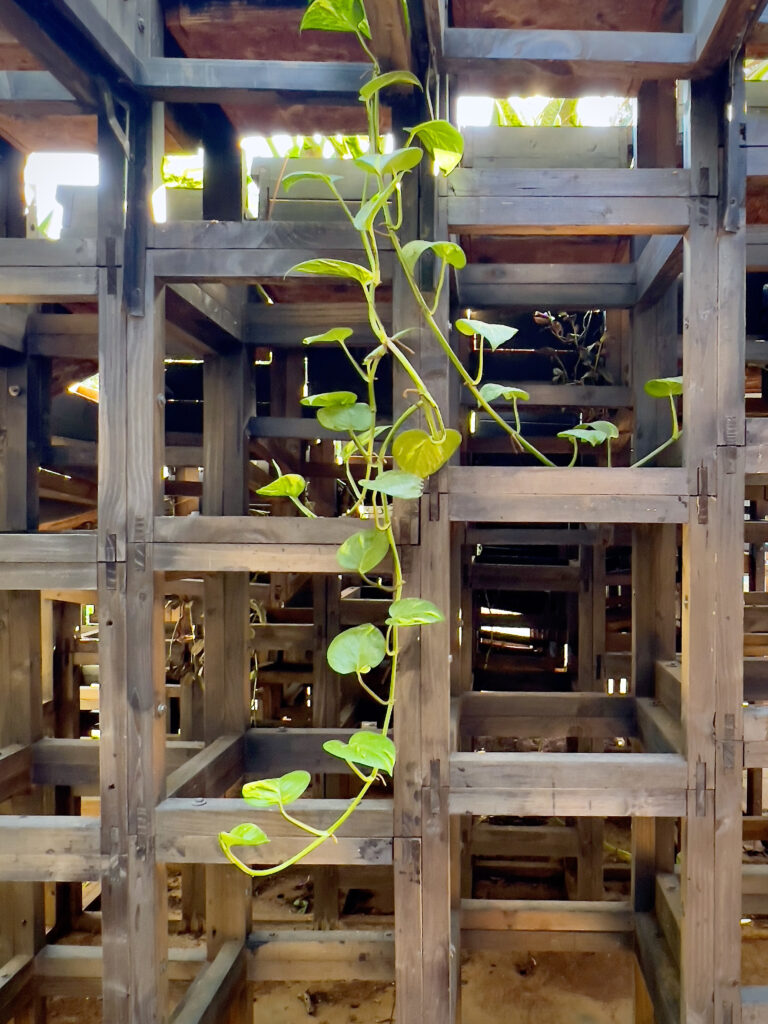
A delicate plant growing through a rigid wooden structure reflects another layer of this philosophy. The contrast between organic movement and geometric order becomes a quiet story about resilience. Technical knowledge helps maintain balance and exposure, but emotional awareness allows the photographer to recognise meaning within simplicity.
This approach transforms photography into emotional storytelling. Images begin to feel lived rather than arranged. Viewers may not analyse technical details, yet they connect to the intention within the frame. Education bridges the gap between instinct and craft, allowing photographers to express their voice with clarity.
Eventually, photographers begin sensing compositions without searching aggressively. Architectural corners, quiet textures, shifting light, and subtle movement become enough. The frame comes to them because they have learned to listen before looking.
Feeling a frame is not mystical. It is a skill developed through observation, patience, and continuous learning. Photography education builds the foundation that allows intuition to grow stronger over time. When knowledge and awareness come together, photography becomes fluid, grounded, and deeply personal.
And often, the frames that begin as a feeling become the photographs that stay with us the longest.