By Hridgandha G. Mistry
Advertising Photographer and Image Maker
Dean and Director, Shari Academy
Instagram: @thewayhridsees @shari_academy
There are moments that feel like memories the instant they arrive. They don’t announce themselves loudly. They appear softly, almost like a whisper you can sense more than you can explain. Something in them feels familiar, like a scene your soul already knows. As a photographer, I have learnt to recognise these moments even before my camera rises. They pull me inward. They make me pause. And that pause often becomes the beginning of the photograph.
Photography has never been about chasing images for me. I don’t believe the best frames are hunted. I believe they are received. Over the years I have realised that the photographs people connect with the most are rarely the ones I planned or controlled. They come when I am not trying too hard. They come when I am open, present, and emotionally aligned with what is in front of me.
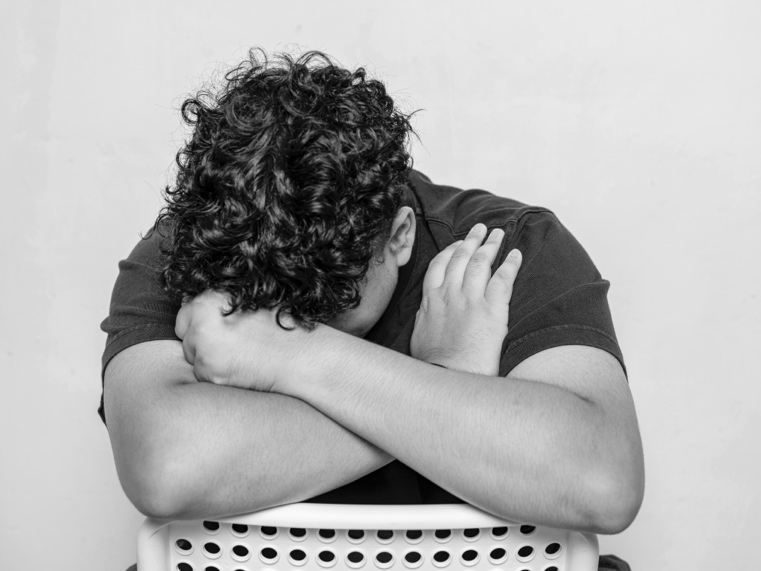
Some moments carry a different kind of energy. They hold stillness even inside movement. They carry emotion even when nothing dramatic is happening. They have a quiet weight to them. When I sense such a moment, I slow down. I stop rushing to create something “perfect.” I stop forcing a story. I simply allow the moment to be what it is. Because for me, photography is not only about seeing. It is about feeling the truth of what you are seeing.
There is a big difference between taking a photograph and receiving one. When you receive a moment, you don’t interrupt it. You don’t break the silence with direction. You don’t try to improve it with unnecessary control. You respect it. You listen to it. You stay with it long enough for it to reveal itself. That is when a frame becomes more than an image. It becomes a connection.
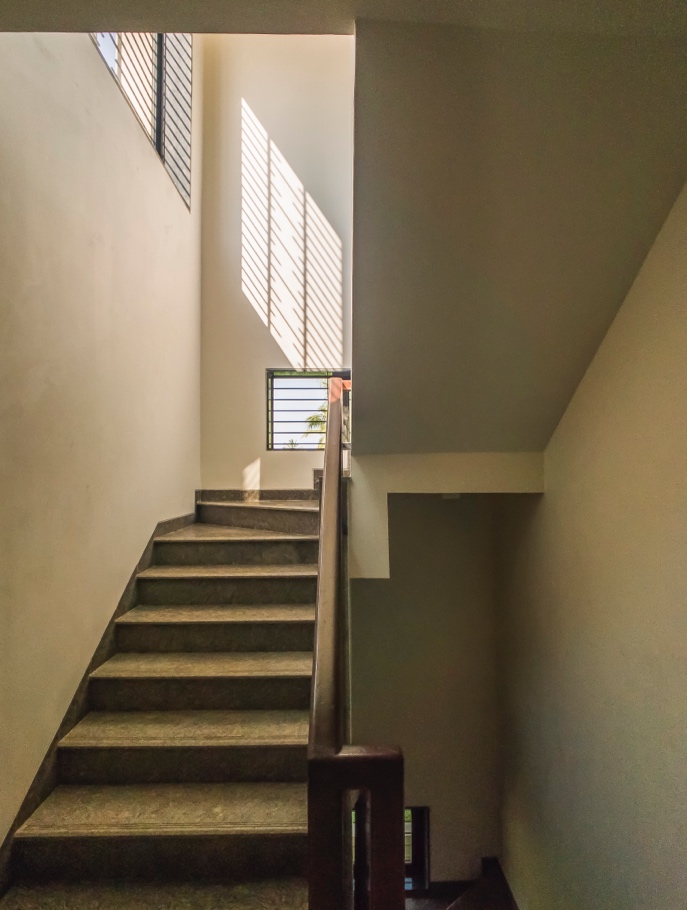
Photography is something I often speak about with my students too. Many people come to learn expecting quick techniques, formulas, presets, and shortcuts. They want to know what lens to use, what settings to dial in, what angle will look cinematic, and what editing style will make their work stand out. And yes, all of that matters. Technique matters. Craft matters. Discipline matters. But what truly shapes a photographer is not just technical knowledge. It is the ability to feel what you are seeing.
I say this because photography education built me. It didn’t just teach me how to use a camera, it trained my eyes, my mind, and my heart to observe life differently. Education helps you slow down and notice what most people miss. It teaches you to understand light, but also to understand emotion. It teaches you to create strong frames, but more importantly, it teaches you how to recognise a moment worth holding. And that is where intuition becomes your greatest tool. Intuition is what separates a technically good photograph from an emotionally unforgettable one. The strongest frames are not always constructed, they are felt. They form within you first, and only then do they appear outside you.
Presence is the real skill. When you become fully present, your senses sharpen naturally. You start noticing the smallest shifts. A change in breath. A pause in the eyes. The way light touches someone’s face for just a second before it moves away. The stillness between words. The space between movement. Sometimes your body reacts before your mind does. Sometimes you feel something in your chest before you can even explain it. There is a soft click inside you. A quiet recognition. That is often the beginning of the photograph.
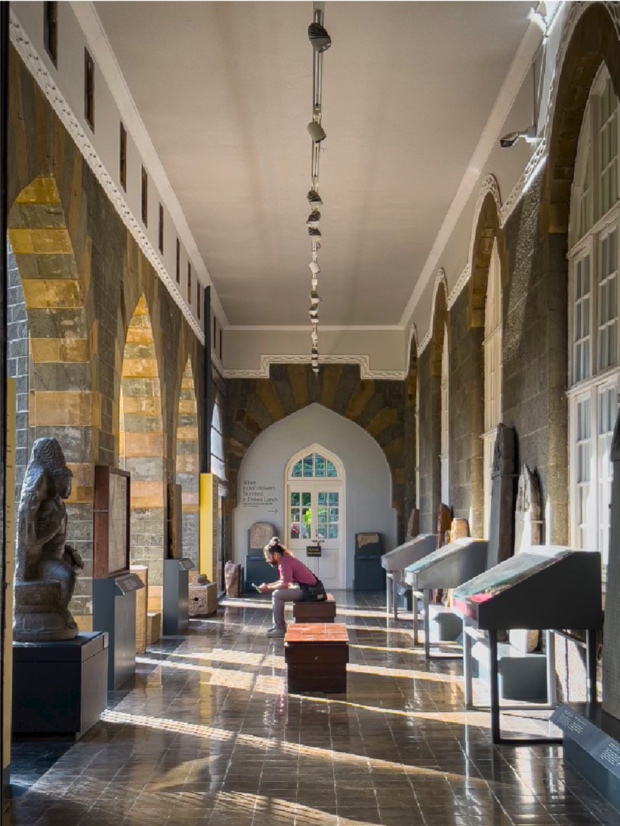
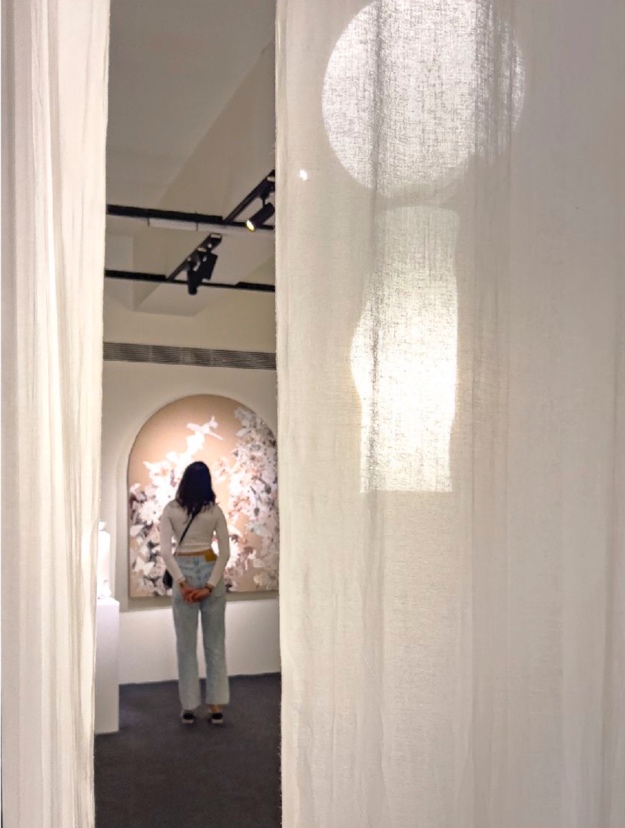
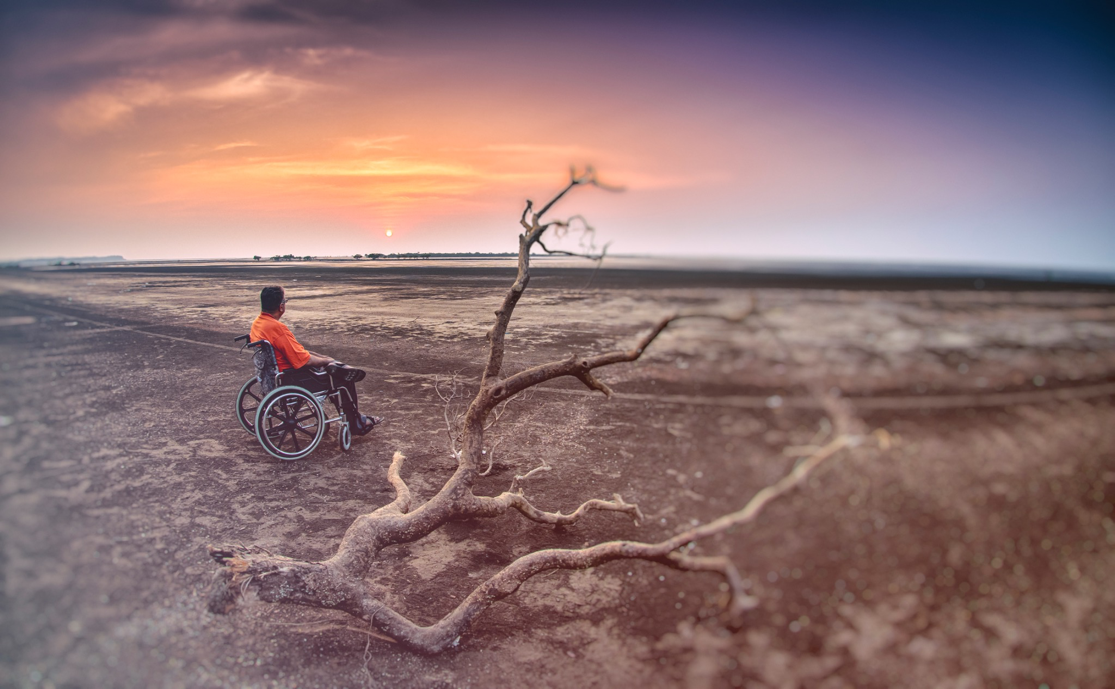
I have experienced this many times, but one moment stays with me as a deep truth. It was during the lockdown. Everything around us felt uncertain, heavy, and unfamiliar. Yet one evening, there was a kind of silence that felt almost sacred. Girish was sitting in his wheelchair, facing the open sea, looking at the horizon. He wasn’t posing. He wasn’t performing for the camera. He was simply there, fully present, in his own world, in his own stillness.
There was no conversation. No intention of creating a photograph. But something in that scene felt complete. I don’t even remember thinking too much. I just grabbed my camera and clicked. It was not planned. It was not staged. It wasn’t even about composition in that moment. It was about a feeling I could sense but couldn’t explain. Something inside me knew this frame mattered.
Today, when I look back at that photograph, it feels like more than an image. It feels like time held still. I never knew he would leave us so soon. And yet, that frame holds him exactly how I want to remember him. Calm. Strong. Quiet. Connected to something beyond words. It became one of those photographs that was a memory even before it became one.
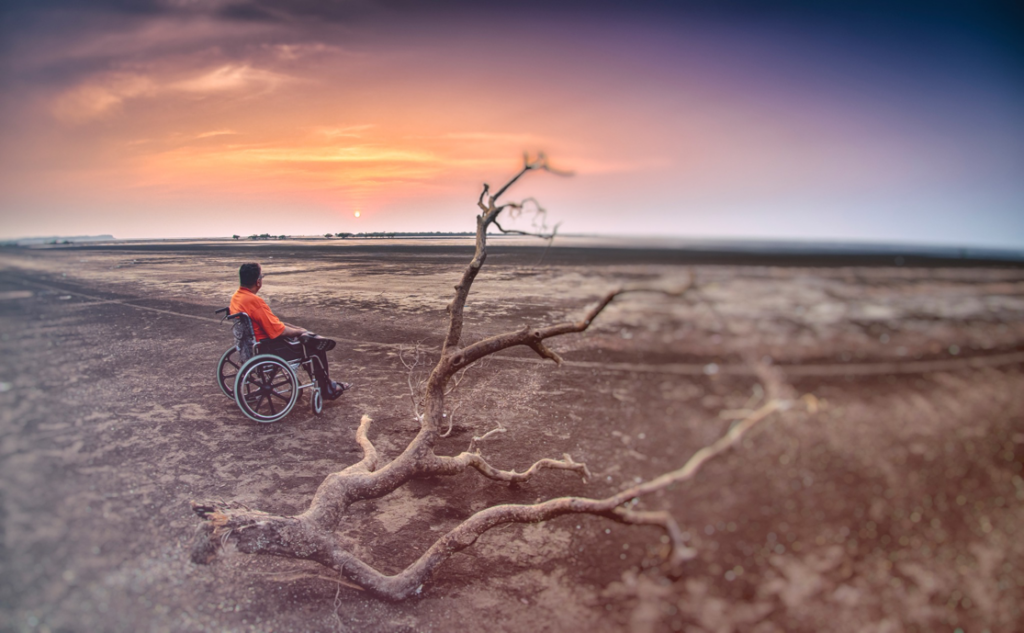
This is what I mean when I say a photograph can become a memory before it’s made. Some moments arrive with a knowing. They carry a softness, a truth, and a depth that your heart recognises instantly. You may not understand why it matters at that time. But later, you realise you captured something irreplaceable. You didn’t just capture a subject. You captured a piece of life that would never return in the same way again.
These memory-like moments are rare, but unmistakable. Once you experience them, you start trusting them. They have a signature that is difficult to describe, but easy to feel. They feel familiar, like meeting an old part of yourself. They feel effortless, without force or adjustment. And they feel complete, needing only one honest frame.
This is also why I believe photography is not about forcing a story. It is about recognising the story that is already unfolding. The moment outside you is always speaking, but most people are too distracted to listen. When your inner world aligns with what is happening in front of you, the frame becomes alive. It becomes more than documentation. It becomes emotion.
Sometimes these moments are deeply healing too. They touch something quiet within you. Nostalgia. Tenderness. Clarity. Sometimes grief. Sometimes gratitude. Photography becomes a mirror that reflects your inner state without saying a word. Some of my most powerful images have come during my most challenging phases, when memory and moment overlapped in a way that I needed. When life felt heavy, photography gave me breath. When my mind was loud, photography gave me silence. When I couldn’t control anything else, I could at least be present with what was real in front of me.
This is why I always tell photographers not to rush. The world today teaches speed. It teaches quantity. It teaches constant output. But true photography is not fast. True photography asks for presence. It asks you to slow down enough to notice what most people miss. It asks you to listen to the emotional temperature of a space. When you train yourself to do this, your work changes naturally.
You stop chasing perfection. You stop fearing mistakes. You stop trying to impress. You start listening. You start observing. You begin photographing from intuition instead of anxiety. And slowly, your photographs begin to carry a signature that no one else can replicate. Because technique can be learnt. But emotional truth cannot be copied.
When reality is captured with emotion, it becomes connection. It becomes something someone else can feel even if they were not there. That is the power of a photograph made with presence. It speaks beyond the frame.
And that is when a photograph becomes a memory before it’s made.
It lives twice.
Once inside you.
And once in the frame.
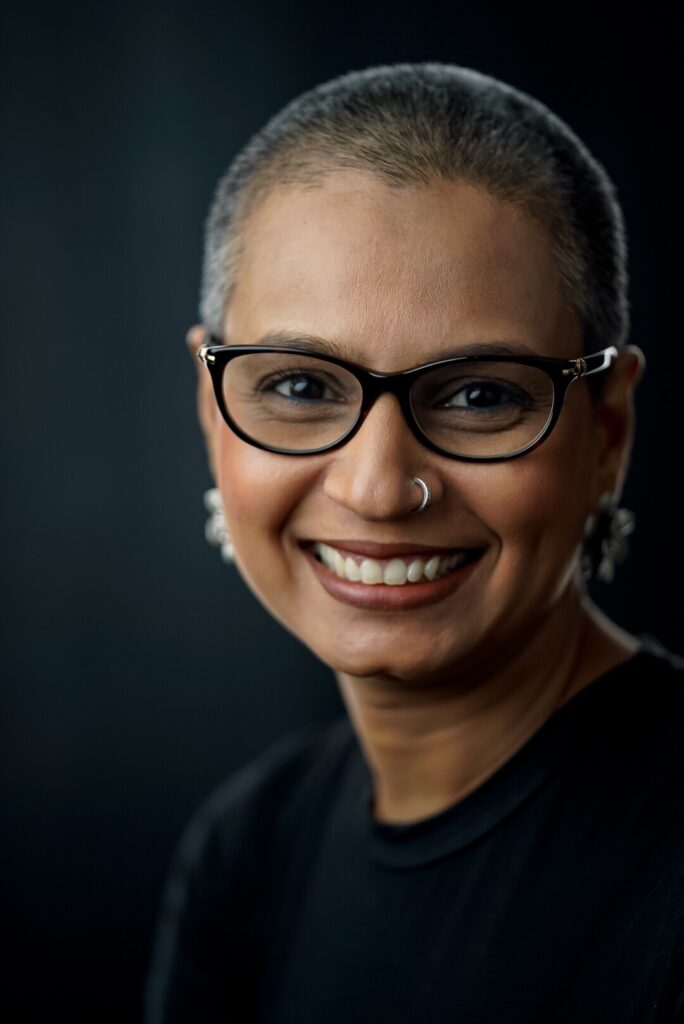
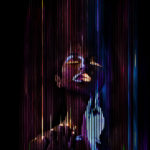
This portrait was clicked by My late husband Girish Mistry, who established Shari Academy of Professional Photography 35 years ago. I had always wished he would photograph me, and he finally did in 2018 when I shaved my head.
It holds an inward memory I carry quietly.